
Walt’s career as a professional radioman began in 1974, operating CW, SSB, and RTTY aboard USCGC Ingham (NRDL).
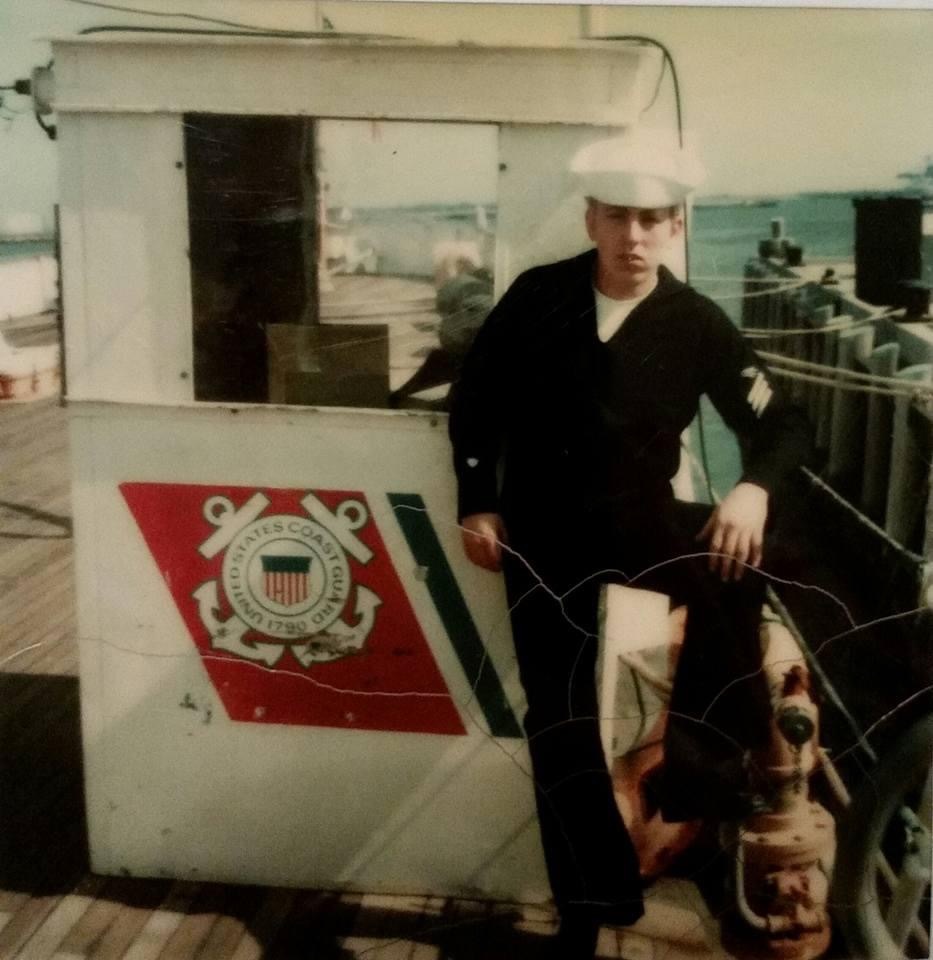
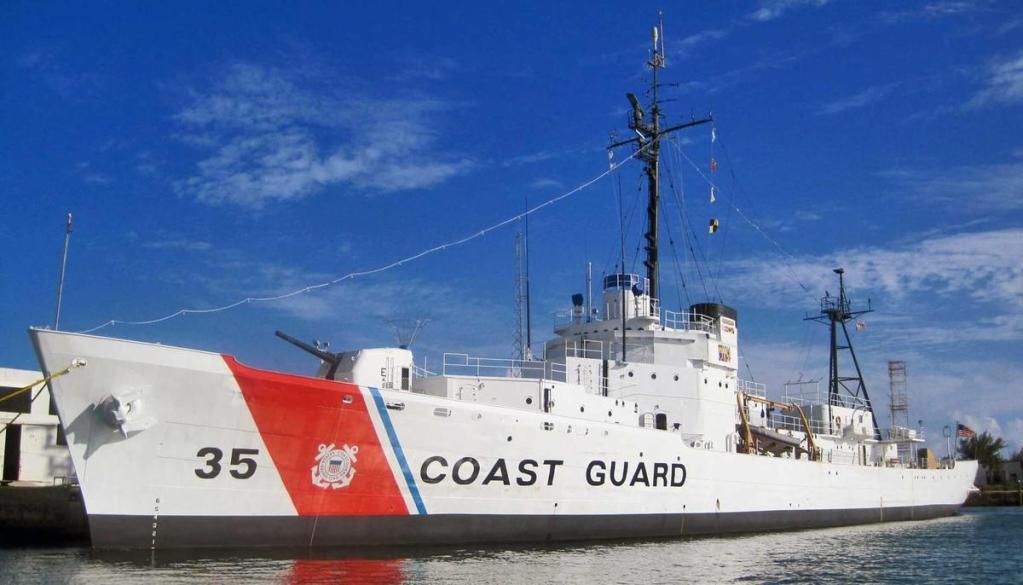

After working at NMF for about a year and a half, Walt was referred to the CIA by the commanding officer of COMMSTA Boston.
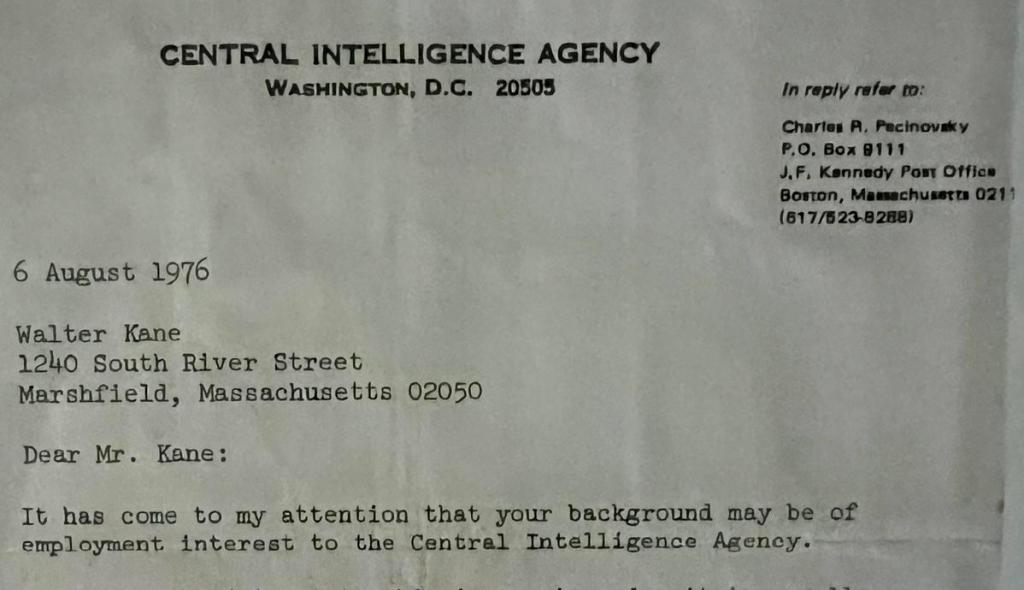
What’s the story behind that referral? To answer that, readers will have to turn to Ole Sparky’s fictional adventures. In those stories, a CIA CW operator hides in plain sight, quietly passing coded messages for people operating far from home. Imagine a hypothetical scenario in which Ole Sparky’s Morse skills are put to work relaying discreet traffic between concerned parties across borders and oceans.
Following his honorable discharge from the U.S. Coast Guard, Walt obtained an FCC Third Class Radiotelegraph License and went to work at RCA Chatham Radio (WCC), widely regarded at the time as one of the world’s premier public coast stations in terms of traffic volume, strategic importance, and technical leadership.
It was at WCC that Walt’s CW proficiency was rigorously developed. During a year of handling thousands of radiotelegraph messages (QTC) with highly skilled CW operators aboard commercial vessels worldwide, he emerged as a consistently accurate, efficient, and reliable Morse telegraphist.

Walter was then recruited by the Radio Officers Union and offered a unique opportunity at the ROU’s Institute of Maritime Electronics in Easton, Maryland. Historically, the ROU provided apprenticeship training for radio officers in the maritime industry.
In 1979, he joined a newly forming class of aspiring radio officers. Walt served both as student and instructor: he was tutored in electronic technologies, and he taught maritime regulations, radio communications, and Morse code to a small group of young electrical engineers (BSEE).
Graduation required a successful visit to the FCC field office in Baltimore for licensing exams. Walt passed all elements and was granted an FCC First Class Radiotelegraph License with RADAR endorsement.
He went on to complete a six‑month radio officer apprenticeship aboard SS Sealand Galloway (KHLD), a ship 946 feet long with a beam of 106 feet. The Guinness Book of Records once listed her as the fastest cargo ship in the world; crossing the North Atlantic at 33 knots left a lasting impression.

Over the next fifteen years, Walt served as radio officer on numerous U.S.‑flag merchant vessels, including product tankers, bulk carriers, containerships, and strategic vessels operated by Military Sealift Command (MSC) and the Maritime Administration (MARAD) during Operations Earnest Will, Desert Shield, and Desert Storm.

Walter is particularly proud of his service aboard MV PFC James Anderson Jr (WJXG). He sailed on her during Operation Desert Storm and other strategic missions. Anderson was a Navy maritime prepositioning ship that supported Marine Corps expeditionary operations until decommissioning in 2009.
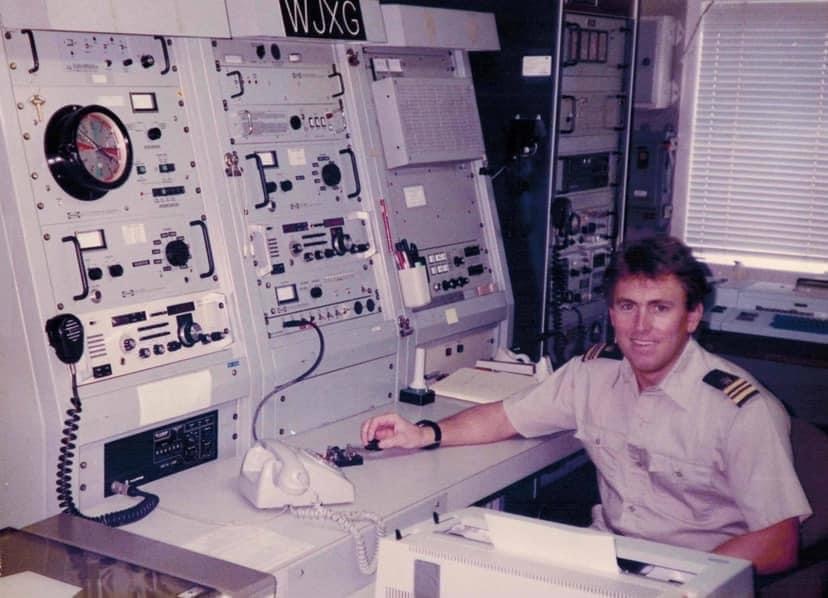
When Walt wasn’t at sea, he was often “pounding brass” at public coast stations. He worked CW at USCG Communication Station Boston (NMF), Chatham Radio (WCC), Tuckerton (WSC), Slidell (WNU), Galveston (KLC), and San Francisco (KFS).
Public coast stations were land‑based facilities in the maritime mobile service, enabling communications between vessels at sea and shore‑side entities. The year Walt spent at WCC remains one of the best experiences of his life as a professional CW operator.
Walter is a proud member of the Society of Wireless Pioneers (#2937) and the Veteran Wireless Operators Association (VWOA). He is also a VWOA Marconi Gold Medalist, recognized for intercepting an urgent notice to mariners (XXX) while monitoring 500 kHz at Galveston Radio (KLC), leading to the rescue of a man overboard by the Mexican Navy.

These experiences are part of the foundation for Ole Sparky’s fictional universe—stories where a seasoned radioman’s skills make the difference in moments that few outside the radio room ever see.